
 2 months ago
6703
2 months ago
6703

Belarus has taken a significant step in regulating cryptocurrency by authorizing 26 digital assets for legal trading. This approval, published in Minsk, extends to prominent stablecoins, major cryptocurrencies, and popular altcoins. It allows the merging of traditional banking services with cryptocurrency transactions, significantly impacting the country’s finance sector.
How Will Crypto Banks Operate Under New Regulations?
In Belarus, approved “crypto banks” can now operate legally, combining traditional banking with cryptocurrency exchange services. These financial institutions can manage the 26 approved tokens. This development comes from the Belarus High Technology Park, one of the largest IT clusters in the region responsible for overseeing these regulations. The approved assets include Bitcoin (BTC), Ethereum (ETH), and stablecoins such as Tether (USDT) and USDC.
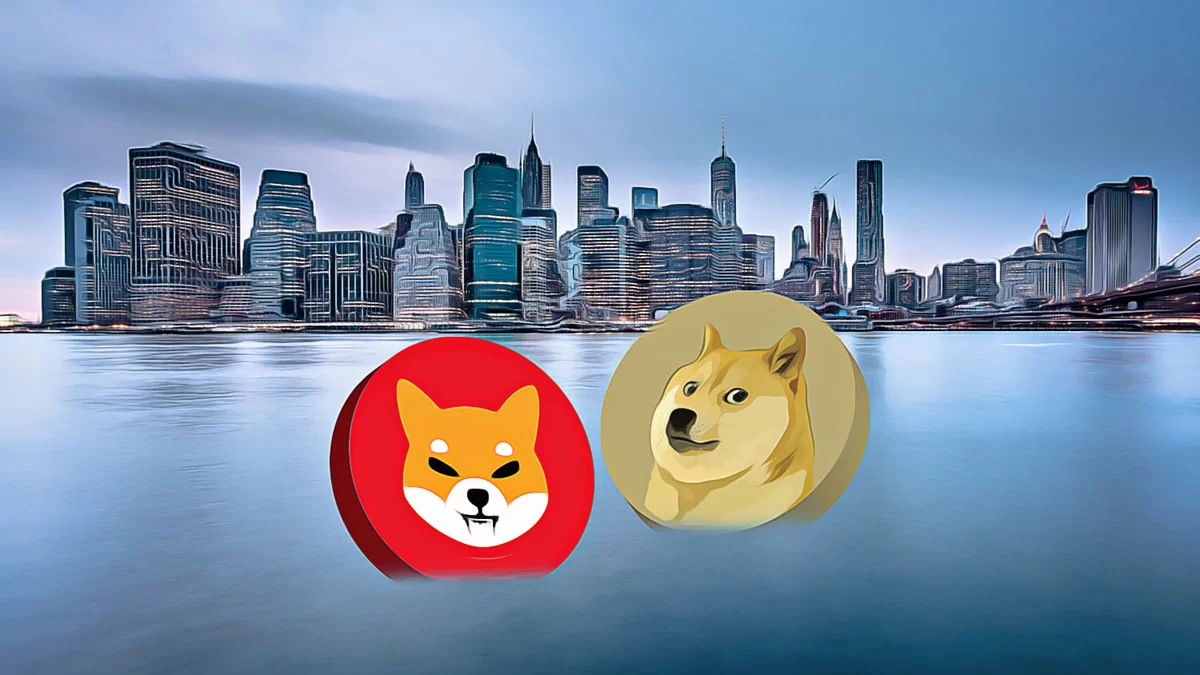
Notably, meme coins like Dogecoin (DOGE) and Shiba Inu (SHIB) are also on the list, reflecting their popularity among crypto enthusiasts. However, some top-ranking coins, including Zcash (ZEC) and Monero (XMR), were left out, prompting discussions about the selection criteria and market priorities.
What Led to This Regulatory Shift?
The catalyst for these changes is a presidential decree by Alexander Lukashenko introduced in January. This policy aims to reinforce Belarus’s stronghold in technology and financial innovation. Both the Central Bank and the Park’s Supervisory Board will steer the country’s crypto advancements to ensure a stable market.
Under these regulations, entities aiming for a crypto banking license must register with the Park and the Central Bank’s registry. The High Technology Park, perceived as the nation’s “Silicon Valley,” offers multiple legal and fiscal advantages, aligning with the 2018 legalization of cryptocurrencies.

New opportunities arise as crypto banks can engage with globally recognized cryptocurrencies and tokens issued through ICOs within the Park. These institutions can extend services like deposits, lending, and staking, combining traditional finance with blockchain technology.
“The list is not final. We plan to update it over time based on asset volatility and market volumes,” stated Alexander Egorov, Deputy Chairman of the Central Bank of Belarus.
The introduction of these new regulations opens various avenues for crypto transactions. Institutions can now assist clients in launching their own tokens, promoting a transparent and regulated adoption of cryptocurrencies across Belarus.
Overall, Belarus is strategically positioning itself to become a major player in the crypto finance landscape, leveraging the benefits of its legal framework and technological infrastructure. Such advances offer a fertile ground for innovation and financial growth in the region.
Disclaimer: The information contained in this article does not constitute investment advice. Investors should be aware that cryptocurrencies carry high volatility and therefore risk, and should conduct their own research.









 English (US)