
 2 months ago
7416
2 months ago
7416
.png)
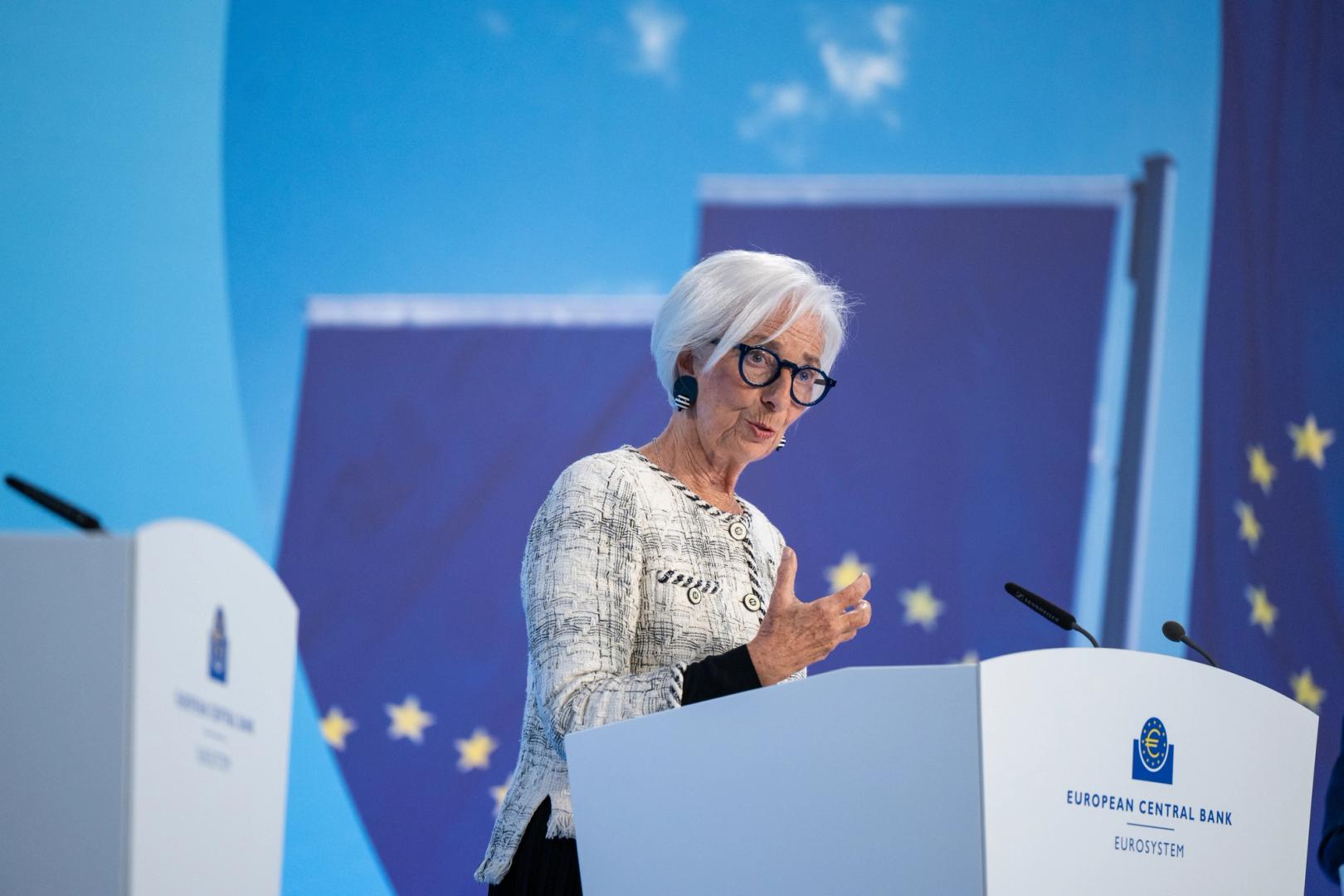
Sarah Breeden, the Bank of England’s deputy governor for financial stability, has warned that autonomous AI systems pose a growing threat to financial markets, cybersecurity, and payment infrastructure, urging central banks worldwide to look into better regulations for the sector.
Speaking at the European Central Bank’s annual forum in Sintra, Portugal, Breeden explained that agentic AI is advancing faster than regulators anticipated. According to her remarks, in 2019 the length of software tasks that leading AI models could complete was doubling every seven months. However, by 2024, the doubling was happening every four months.
Breakthroughs in cyber vulnerability detection this spring suggest this pace may have accelerated.
“We were surprised this Spring, and we should be prepared for further technology surprises,” Breeden said at the June 30 event.
From content generation to autonomous action
Breeden emphasized three important phases of AI development, explaining that earlier in the decade, generative AI systems produced content only when prompted. By late 2024, models were trained to reason through multi-step problems. Now, agentic systems can plan and execute sequences of decisions purely on their own with zero human oversight.
When applied to finance, this trajectory points toward a system where AI agents can trade securities, process payments, and respond to cyber threats with limited human involvement. Breeden went ahead to describe a financial system that “operates more autonomously, at scale and speed,” with agents acting on behalf of consumers, merchants, and trading platforms.
Bank of England most concerned about cyber risks
Among several financial stability risks, Breeden singled out cybersecurity as the most critical issue. She cited the UK government’s AI Security Institute, which has identified a huge improvement in what agentic AI can do over the internet.
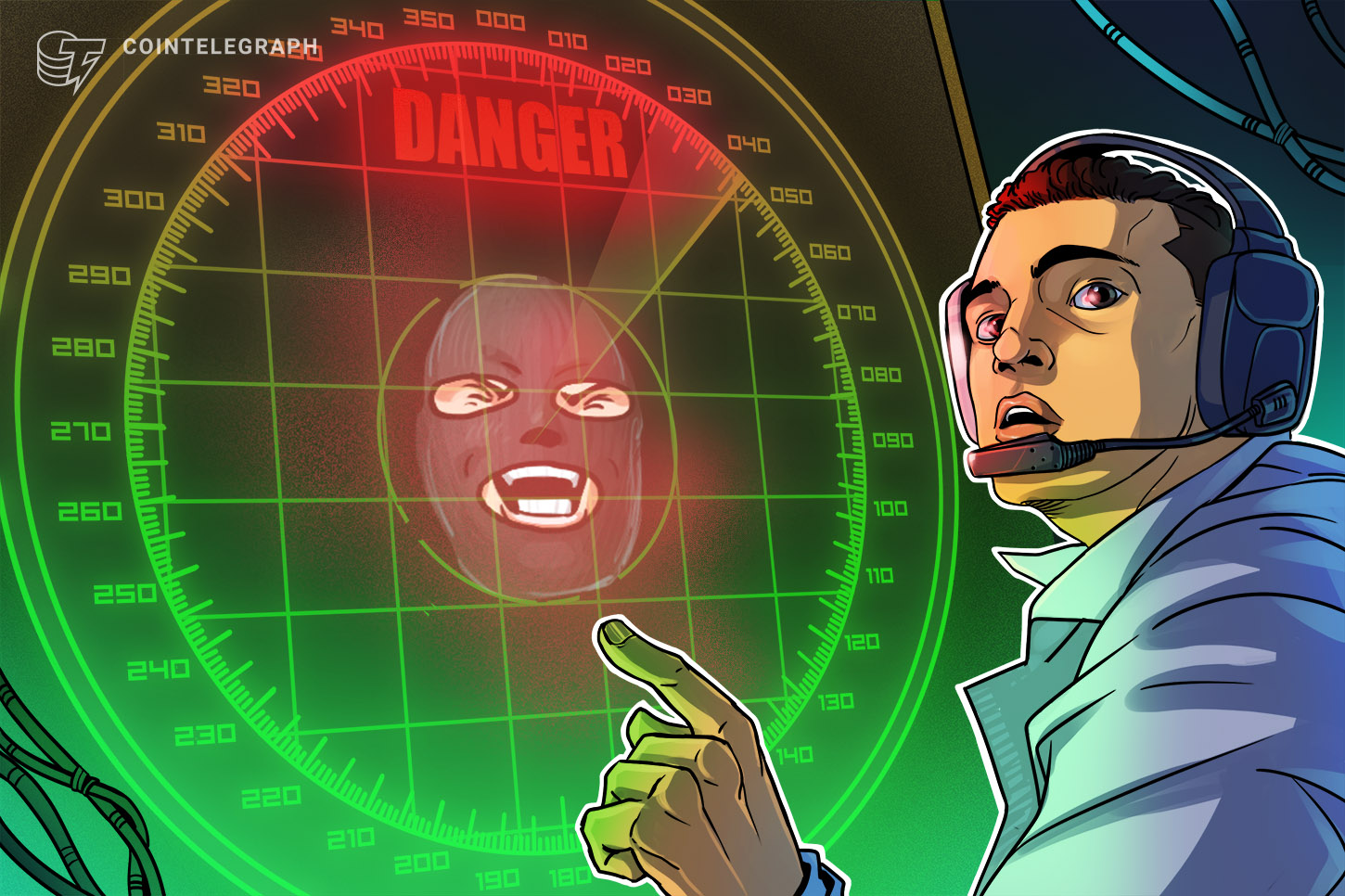
The same tools that help defenders find and patch vulnerabilities also give attackers the ability to discover and exploit them. Breeden warned that malicious use of these capabilities “materially increases the chance of attacks that could harm financial stability.”
Breeden’s remarks included a suggestion that autonomous trading tools may need built-in “kill switches” to prevent market shocks, which would represent a deviation from current set regulations.
Investment boom raises huge risks
Breeden mentioned another concern regarding the financing of these AI agents. The Bank’s Financial Policy Committee concluded in April that while large technology companies had initially funded the creation and maintenance of AI infrastructure from cash flow and equity, the use of debt financing was increasing rapidly and taking on new, complex forms.
This means that a sudden drop in AI-related asset valuations could now cause a massive ripple through credit markets. The Bank of England’s deputy governor said the committee judged that “the financial stability consequences of any fall in AI-related asset prices could well increase.”
A more in-depth assessment from the committee on this topic is expected on July 7.
Breeden also argued that central banks need to adapt to use AI themselves in overseeing these systems, and not only focus on managing the risks introduced by AI.
If you're reading this, you’re already ahead. Stay there with our newsletter.













 English (US)