
 3 months ago
12840
3 months ago
12840
.png)
In a compelling revelation, Manuel Araoz, CEO of the leading blockchain security company OpenZeppelin, has raised serious concerns about the reliability of decentralized finance (DeFi) platforms. Through a candid exchange on X, Araoz has categorically stated that he deems all DeFi applications unsafe at present. His alarm centers on sophisticated AI agents that can evaluate code with “superhuman” accuracy, uncovering and exploiting hidden system weaknesses.
What Is Driving the DeFi Downturn?
DeFiLlama, a renowned analytics platform, has disclosed a $20 billion reduction in the total value secured in DeFi systems since the start of the year. While some of this dip correlates with broader market trends, a series of hacks and increased apprehension around security vulnerabilities are major contributors to investor concerns.
How Significant Are the Security Breaches?
Over the previous year, DeFi platforms have suffered losses exceeding $1.1 billion due to security lapses. One of the most significant breaches was the Kelp DAO hack in April 2024, which resulted in a $292 million loss, highlighting the susceptibility of cross-chain systems. Similarly, a severe security incident led to the permanent closure of Step Finance, based on Solana, after losing $27 million earlier this year.
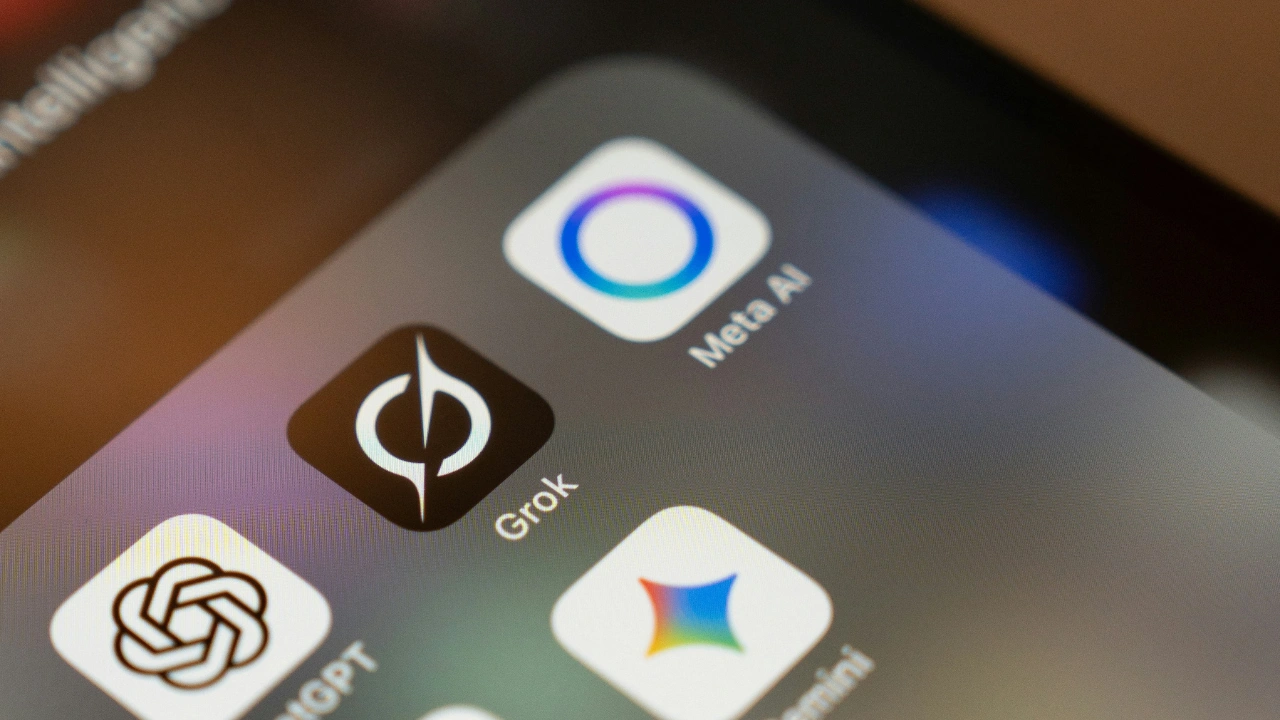
Araoz has pointed out that AI is not just another tool for hackers—it’s a game-changer. The creation of models like Claude Mythos by Anthropic represents a monumental shift. These AI models can autonomously identify software flaws and create exploit code instantaneously, outperforming current automated security solutions.
The transparency previously celebrated in DeFi is now a double-edged sword. With smart contract codes openly accessible, AI entities can find and exploit vulnerabilities much faster than any human could.
Re-Evaluating Security Protocols
The security framework of DeFi was primarily designed to mitigate threats originating from human cybercriminals. The advent of cutting-edge AI forces a paradigm shift in risk assessment and security measures. Such rapidly evolving technologies can easily outmaneuver human-led responses, rendering traditional defense systems obsolete.

Key Conclusions:
- DeFi’s total locked value has dropped by $20B due to market trends and security woes.
- Significant hacks highlighted include Kelp DAO’s $292M cross-chain vulnerability and Step Finance’s $27M closure.
- Anthropic’s Claude Mythos AI model is capable of quickly pinpointing and exploiting system vulnerabilities, posing real threats.
- As AI rapidly progresses, DeFi security models need a fundamental rethinking to remain effective.
The pressing question remains—how will the DeFi industry adapt to these challenges, and what innovations will emerge to regain trust in this digital space? Effective responses to these challenges will determine the sustainability and future growth trajectory of DeFi platforms globally.
Disclaimer: The information contained in this article does not constitute investment advice. Investors should be aware that cryptocurrencies carry high volatility and therefore risk, and should conduct their own research.










 English (US)