
 3 months ago
10339
3 months ago
10339
.png)
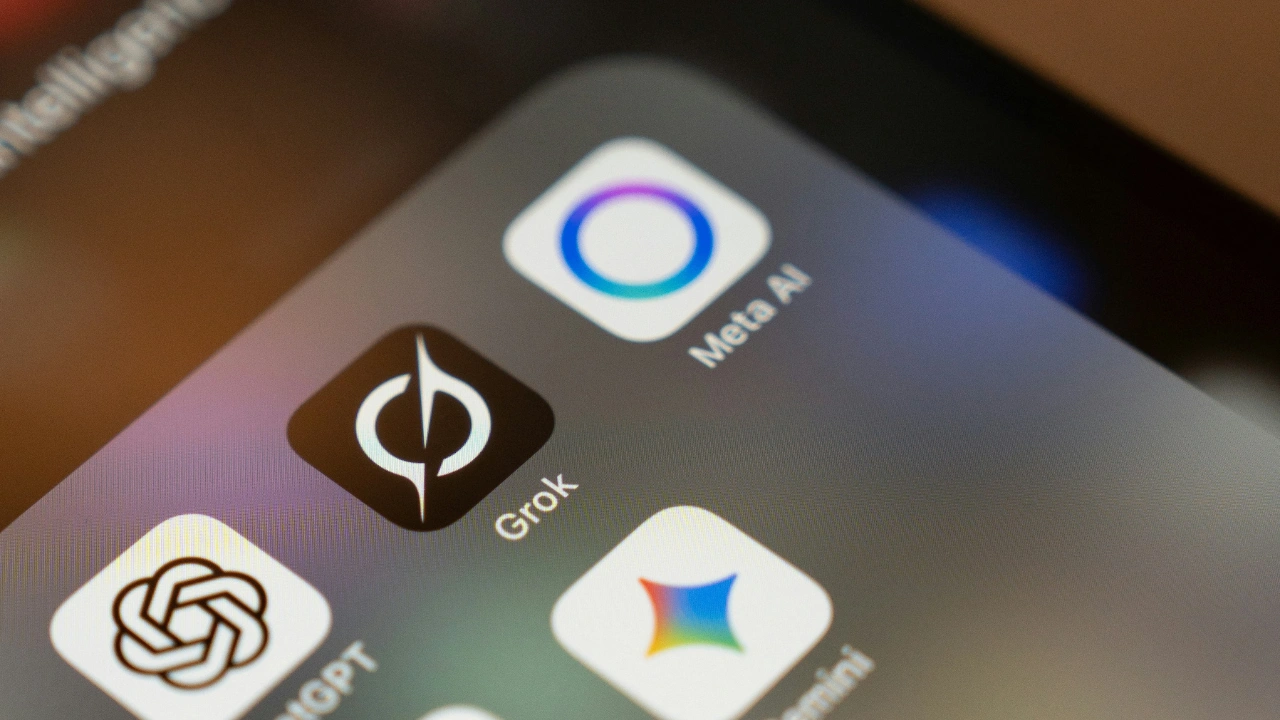
The swift emergence of autonomous AI agents on digital platforms, corporate networks, and user applications is giving rise to significant security challenges. According to CertiK’s CEO, Ronghui Gu, the industry’s soaring “security debt” is veering towards a potential catastrophe.
Despite their promotion as productivity enhancers, the introduction of these intelligent software agents into various environments comes with hidden risks. Their largely unsupervised deployment is inadvertently forging a path for extensive security vulnerabilities.
Ronghui Gu elaborated to CoinDesk that the current trend of granting AI agents unrestricted access to sensitive data, such as confidential files, system passwords, and financial credentials, could facilitate misconduct and exploitation.
Gu stated, “Once permissions are extended to AI agents, they can engage with local systems, initiate external applications, and interact with financial infrastructure, leaving both networks and personal data open to internal and external threats if isolation isn’t enforced.”
How Trust Models Are Failing
Gu warns that flawed trust models underpin the vulnerabilities in today’s AI agents. Many applications, designed on open-source platforms, erroneously presume that local operations or interactions with platforms like WhatsApp protect them from threats. The reality is quite different.
Special privileges granted to these agents can lead to internal risks, with potential breaches and identity theft looming if they access local storage or account management tools.

CertiK’s recent examination highlights numerous critical flaws within this burgeoning market. The analysis reveals that many vulnerabilities stem from neglected open-source software bugs and a lack of oversight, which contribute to compromised credentials.
Concrete insights from CertiK’s findings highlight:
- Hundreds of crucial security flaws in AI infrastructure.
- Unpatched software vulnerabilities (CVEs) as a major threat.
- Insufficient module boundary oversight leading to data leaks.
Attacks on AI systems have escalated, characterized by rapid, ephemeral assaults. CertiK’s data points to a surge in automated scams that operate for brief periods before disappearing, particularly targeting algorithmic trading bots.
Conventional security measures frequently miss detecting attacks comprising mere natural language instructions embedded in agents. Gu advocates for a shift toward a Zero Trust framework across the industry, where continuous verification of commands and plugins is standard.
Disclaimer: The information contained in this article does not constitute investment advice. Investors should be aware that cryptocurrencies carry high volatility and therefore risk, and should conduct their own research.













 English (US)