
 3 months ago
6242
3 months ago
6242

Washington is set to respond to Iran’s proposal imminently, raising concerns over the prolonged conflict’s potential to incite stagflation—an economic conundrum characterized by stagnant growth coupled with persistent inflation. As traditional markets alongside the emerging realm of cryptocurrencies brace for impact, a report by UK-based asset management firm Schroders examines the multifaceted implications of this unfolding situation. Tensions in Iran might lead to an energy crisis, sending shockwaves across different sectors from stocks to digital currencies.
Is Stagflation Approaching?
The potential energy shock caused by the Iran conflict could be a prelude to stagflation. Rising energy costs in Europe and the US, coupled with disruptions in Asia due to the closed Strait of Hormuz, have started to affect various products, risking a global supply chain crisis. Historically, stagflation is defined by slowing GDP growth and rising inflation, creating an unfriendly environment for equities.
How Will Stock Markets Navigate?
Despite overall adverse conditions, not every stock sector is impacted equally by stagflation. Performance discrepancies among sectors and companies become pronounced during such times.
“The sector composition of European exchanges might provide some resilience compared to US markets. This highlights the necessity of a more selective, rather than passive, global equity investment strategy,” Schroders’ experts suggest.
During periods of low economic growth, business constraints and consumer belt-tightening prompt decreased sales and rising unemployment. High inflation adds to these woes, as weak demand prevents companies from transferring raised input costs to consumers, squeezing earnings.
Central banks encounter challenging decisions. Interest rate cuts may be considered to stimulate demand, yet high inflation pressures them to increase rates, potentially exacerbating economic downturns. Schroders indicates that in historical stagflation events, real equity returns hover around zero, suggesting that matching inflation might be a reasonable outcome given tough conditions.

Key Insights:
– Median real returns during stagflation around zero, reflecting investor challenges.
– Half of stock outcomes in stagflation remain neutral or better, regardless of past performance or interest rate changes.
– Positive returns were achieved only in eight years since 1926, emphasizing the need for careful investment strategies.
Although the US market faces challenges with its tech-heavy indices during stagflation, the impact spills into cryptocurrencies. Japan’s exposure to manufacturing and luxury goods adds layers of complexity amidst disrupted Asian energy flows.
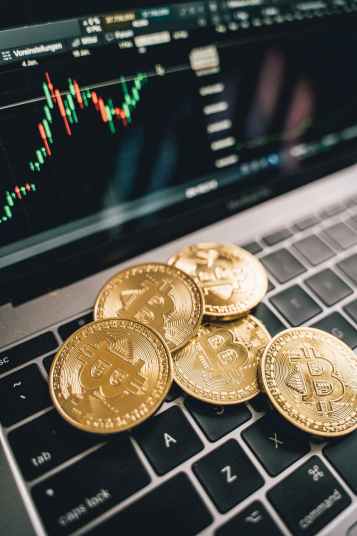
While Bitcoin‘s resilience appeared notable during geopolitical tensions, the reality of ongoing disruptions dimmed expectations of it being a reliable inflation hedge or safe haven during war times. The Federal Reserve’s potential rate hesitancy coupled with Europe tightening policy may create real obstacles for the US and risk-sensitive assets moving forward.
Disclaimer: The information contained in this article does not constitute investment advice. Investors should be aware that cryptocurrencies carry high volatility and therefore risk, and should conduct their own research.












 English (US)