
 1 hour ago
510
1 hour ago
510

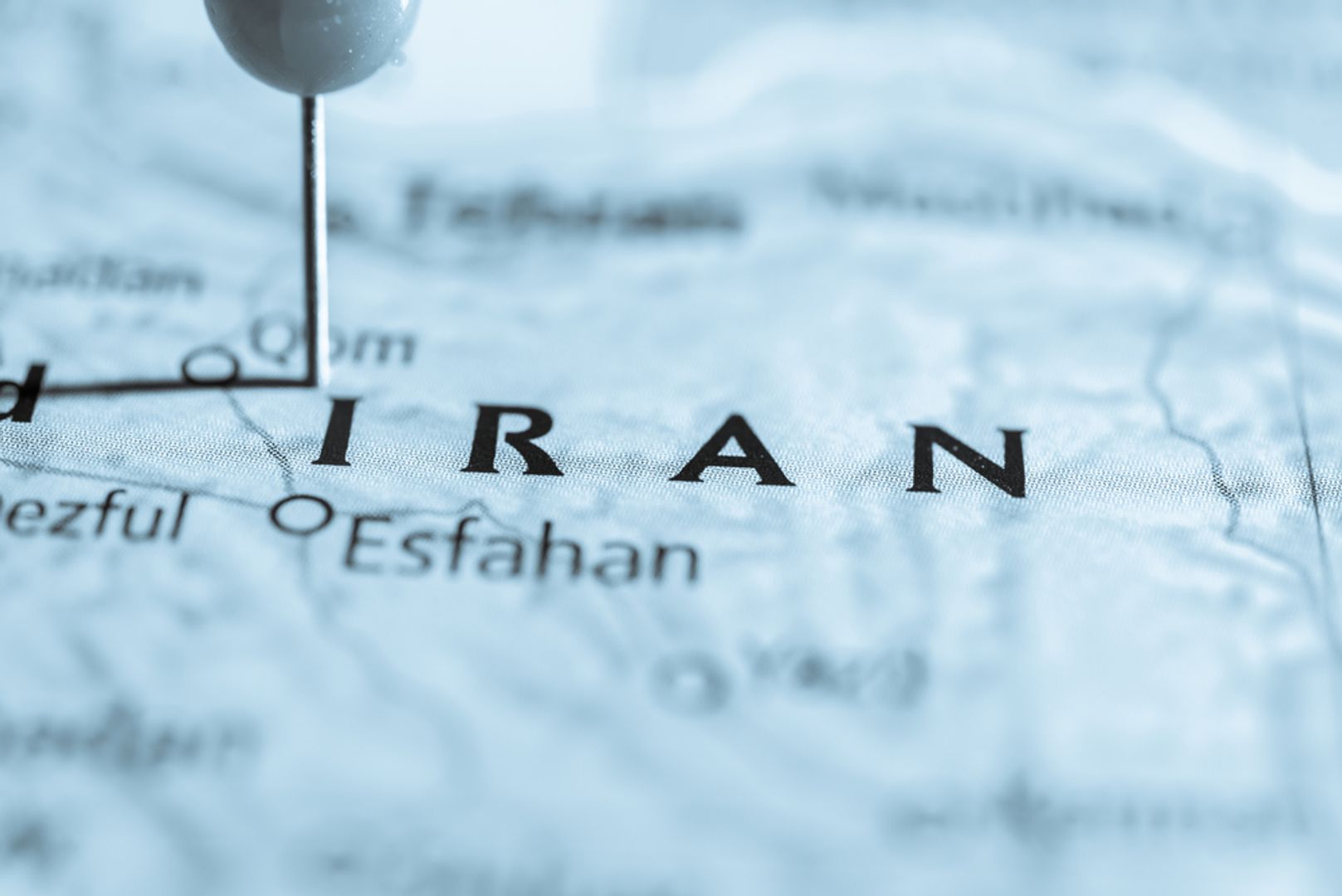
The latest conflict in Iran stands apart due to the unprecedented death of Supreme Leader Ayatollah Khamenei, casting doubt on the crisis’s future course. Previously, hostilities concluded after the death of several key figures, enabling dialogue. In contrast, the elimination of Iran’s premier authority and top officials is a major setback for its leadership. This makes a quick resolution, unlike last year’s 12-day confrontation, increasingly unlikely.
What Drives Iran’s Aggressive Tactics?
Iran’s hostile actions have escalated, with the nation firing 186 missiles and deploying 812 drones against the United Arab Emirates. This scale of aggression exceeds the previous year’s campaign against Israel, where Iran used 550 missiles and approximately 1,000 drones over twelve days. The intensive barrage against the UAE hints at a fundamentally different scenario unfolding in the current conflict.
Will Oil Prices Continue to Rise Unabated?
Amid the continued hostilities, oil markets are witnessing significant turbulence. Iran’s intention to obstruct the Strait of Hormuz and target regional oil infrastructures has sent natural gas prices in Europe soaring by over 30%, triggering fears of a worldwide inflationary wave. With volatility at a peak, markets remain on edge as they brace for potential disruptions.
U.S. Secretary of State Rubio has indicated that measures to safeguard the Strait of Hormuz will soon be disclosed. Stabilizing oil prices is crucial to managing inflation and preserving global trade flows. A military approach may provoke a fierce Iranian retaliation.
“Air defenses, Air Force, Navy, and leadership have all been wiped out. They want to negotiate. I replied, ‘Too late!'”
The uncertainty mounts regarding Washington’s diplomatic approach, particularly given its regime change agenda amid the political void in Iran. Despite the gloomy outlook, Iran appears poised to carry out missile strikes as a demonstration of strength and to suppress domestic unrest.

Crypto Markets Face Turbulence
Within this geopolitical turmoil, Bitcoin maintains a value above $67,000, while Ethereum trades near $1,960. The overall cryptocurrency market capitalization has stabilized at $2.31 trillion. Key tokens such as BTC, ETH, and BNB exhibit resilience over a seven-day period, with SOL Coin experiencing a notable 10% increase from the prior week.
Nevertheless, two critical threats persist in impacting the cryptocurrency markets:
- The possibility of the Supreme Court nullifying customs tariffs.
- The risk of a prolonged conflict in Iran.
Concerns regarding these risks have induced significant sell-offs in recent trading sessions. If Iran and opposing forces quickly reach an accord and customs disputes are avoided, the crypto market could potentially experience gains in March.
However, risks may rapidly resurface, negatively affecting crypto values. Potential scenarios that could cause renewed market instability include:
- The Iran conflict degenerating into a prolonged confrontation similar to those in Syria or Iraq, which could threaten regional security.
- A sustained closure of the Strait of Hormuz coupled with Iran’s possible sabotage of oil pipelines and underwater internet cables might lead to dwindling oil supplies, causing steep price increases.
- The spike in oil prices may trigger inflation anew. Despite Europe’s progress in taming inflation, the Iranian conflict has pushed natural gas prices up 30% in one day, potentially leading to a global economic shock and compelling the U.S. Federal Reserve to reconsider any rate cuts for the year.
Disclaimer: The information contained in this article does not constitute investment advice. Investors should be aware that cryptocurrencies carry high volatility and therefore risk, and should conduct their own research.








 English (US)