
 2 weeks ago
4007
2 weeks ago
4007

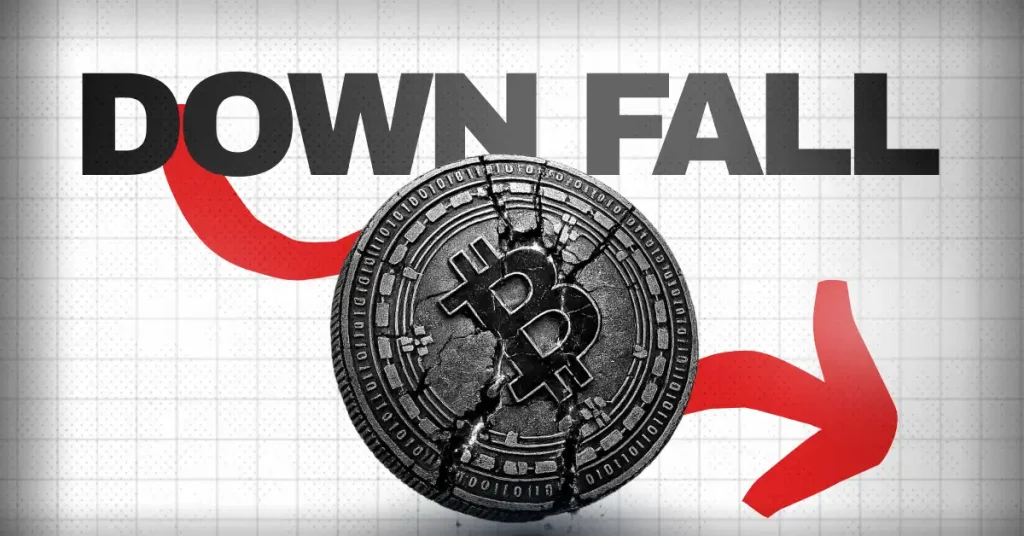
As Bitcoin prices continue their downward trend, entire national economies invested in digital currencies are beginning to feel the strain. Among these nations, El Salvador is prominently featured, having tied its economic fate to Bitcoin by adopting it as legal tender. However, recent market turbulence has significantly devalued the country’s Bitcoin reserves, raising questions about the sustainability of this financial strategy.
Can El Salvador Recover Its Bitcoin Investments?
El Salvador’s Bitcoin holdings, currently valued at approximately $503.8 million, have witnessed a sharp decline from their peak of nearly $800 million. This contraction, spanning four months, has evaporated almost $300 million, impacting public confidence and the government’s ambitious plans linked to cryptocurrency.
Despite the downturn, President Nayib Bukele remains a staunch Bitcoin advocate, continuing his strategy of regular acquisitions. However, this has increased the nation’s vulnerability to market volatility, intensifying the financial risks involved.
Will Diversification Prove Effective for El Salvador?
Officials in El Salvador have signaled a shift toward diversifying their assets, with a recent $50 million gold purchase. This move reflects growing concerns about Bitcoin’s reliability and represents a bid to secure financial stability amidst global economic uncertainties.
Nonetheless, the country’s crypto strategy complicates its ongoing negotiations with the International Monetary Fund (IMF). An over-reliance on Bitcoin and delayed reform measures are obstructing financial aid discussions, raising flags about macroeconomic soundness.

Key conclusions drawn from the current situation include:
- El Salvador’s credit default swap rates, indicative of default risk, have spiked.
- The country needs to meet IMF guidelines to secure future loan tranches.
- Bond maturities coming soon could stress national finances further.
El Salvador, undeterred by IMF cautions, has been steadfast in its Bitcoin accumulation. An upcoming IMF review might determine the fate of additional financial aid, as the wider market monitors these developments closely.
Christopher Mejia, an analyst at T Rowe Price, highlighted, “The IMF may be uneasy about loan funds channeled into Bitcoin purchases, while falling Bitcoin prices are heightening market anxiety.”
Current market signals reflect heightened concerns over El Salvador’s fiscal health. With substantial bond repayments pending, the intersection of the nation’s Bitcoin investments and IMF relations will play a crucial role in shaping investor trust in the coming months.
Disclaimer: The information contained in this article does not constitute investment advice. Investors should be aware that cryptocurrencies carry high volatility and therefore risk, and should conduct their own research.





 English (US)