
 2 weeks ago
6319
2 weeks ago
6319

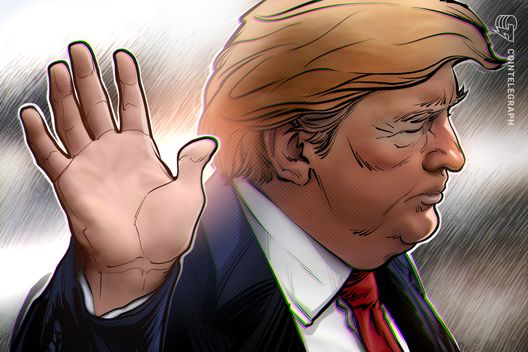
Since stepping into office, Donald Trump has taken bold measures influencing monetary policy, including efforts to sway the Federal Reserve towards reducing interest rates. His engagement even led to considerations of removing Jerome Powell from his role, showcasing Trump’s determination in steering economic decisions. His atypical visit to oversee renovations at the Fed further emphasized this commitment.
What Fuelled Powell’s Firm Stance?
In a recent public address, Powell detailed how Trump’s administration threatened legal action against the Federal Reserve for holding back on swift rate cuts. This narrative highlighted concerns over the Department of Justice’s involvement, suggesting it as a tactic to pressure the Fed, marking a significant internal conflict within America’s financial system.
In another notable instance, Trump sought the removal of Federal Reserve member Lisa Cook, asserting control by citing a supposed majority within the institution. Cook’s defiance led to a legal confrontation escalating to the Supreme Court, illustrating the ongoing tug-of-war between executive desires and the Fed’s financial governance.
Supreme Court’s Role: What Are the Consequences?
Powell, demonstrating his resolve, plans to attend the Supreme Court’s examination of Cook’s potential dismissal, an occurrence rare enough to signal the gravity of the situation. This engagement by the Fed chair is bound to influence deliberations concerning the Fed’s independence and its potential implications for the institution’s reputation.
The Supreme Court’s deliberation on Trump’s authority to dismiss Cook presents profound constitutional concerns. Powell is expected to focus his discourse on how such actions could threaten the Fed’s operational autonomy, raising stakes for the institution’s integrity and stability.

These governmental clashes have already impacted markets; akin tensions last year triggered a dip in cryptocurrency values, indicating the profound economic repercussions that such political unrest can incite. Current dynamics mirror these anxieties, stirring potential instability in financial sectors.
As these legal and administrative disputes reverberate, they pose significant questions regarding the independence and functionality of key financial bodies. Powell’s resistance frames a narrative where governance hangs in balance, affecting both national and international financial landscapes.
Amidst these escalating tensions, the path forward remains uncertain. Stakes are high for American financial policy, as the interplay between political forces and monetary governance continues to evolve in unprecedented ways.
Disclaimer: The information contained in this article does not constitute investment advice. Investors should be aware that cryptocurrencies carry high volatility and therefore risk, and should conduct their own research.











 English (US)